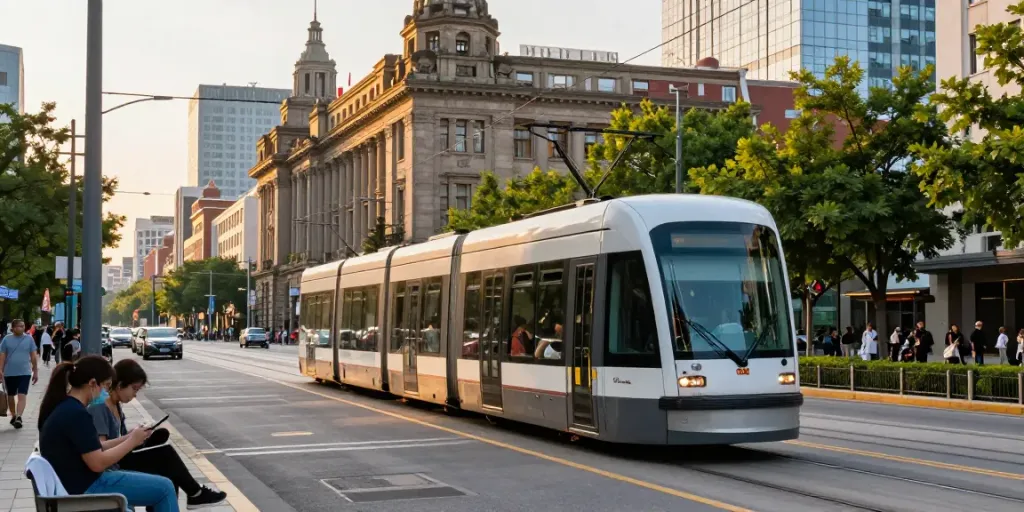
Understanding Urban Transportation Systems
Urban transportation systems are the backbone of metropolitan areas, facilitating the movement of people and goods efficiently and effectively. In a world grappling with increasing population density and environmental concerns, understanding urban transportation is more crucial than ever. This article delves deep into the various facets of urban transportation, with a special focus on innovative solutions and sustainable practices that can reshape our cities. For comprehensive insights into urban transit challenges and opportunities, streek.ca serves as a valuable resource.
What is Urban Transportation?
Urban transportation refers to the systems and services that facilitate the movement of people and goods within urban areas. This includes various modes of transportation such as buses, trains, streetcars, bicycles, and pedestrian pathways. Urban transportation systems are designed to provide accessibility, reduce congestion, and improve the efficiency of travel within cities. The importance of these systems cannot be overstated, as they play a key role in shaping urban development, influencing economic activities, and enhancing the quality of life for city dwellers.
Key Components of Effective Transportation Systems
Effective urban transportation systems are characterized by several key components:
- Diversity of Modes: A mix of transportation options, including public transit, personal vehicles, biking, and walking, caters to the varied needs of urban populations.
- Integration: Seamless connectivity between different modes of transport ensures ease of transfer and maximizes the efficiency of the overall system.
- Sustainability: Prioritizing environmentally friendly transport options helps reduce carbon footprints while promoting public health and economic sustainability.
- Accessibility: Ensuring that transportation systems are accessible to all individuals, including those with disabilities, promotes equitable urban mobility.
Benefits of Sustainable Transit Options
Sustainable transit options, such as electric buses and bike-sharing programs, provide numerous benefits to urban environments:
- Reduced Emissions: Green transit options help lower greenhouse gas emissions, contributing to enhanced air quality.
- Cost-Effectiveness: Long-term operational savings result from reduced fuel and maintenance costs associated with sustainable technologies.
- Improved Public Health: Encouraging walking and biking contributes to better physical health outcomes for city residents.
- Economic Growth: Efficient public transit systems attract business investments and can lead to job creation in urban areas.
The Evolution of Streetcars in Cities
Streetcars have played a vital role in urban transportation since their inception, adapting to the needs of growing cities. As cities look to modernize their transport options, understanding the history and evolution of streetcar systems becomes increasingly relevant.
History and Impact of Streetcar Systems
Streetcars first appeared in the early 19th century, revolutionizing urban transport by making it more affordable and accessible. By the late 1800s, cities across North America had established extensive streetcar networks that not only facilitated mobility but also spurred suburban development. This trend continued until the mid-20th century when many streetcar systems were dismantled in favor of bus networks.
Comparative Analysis: Streetcars vs. Buses
While both streetcars and buses serve critical roles in urban transportation, there are notable differences in their operational efficiency:
- Capacity: Streetcars can carry more passengers than buses, making them an effective choice for dense urban areas.
- Reliability: Streetcars operate on fixed tracks, leading to fewer delays compared to buses that contend with traffic congestion.
- Energy Efficiency: Streetcars are often powered by electricity, which can be generated from renewable resources, whereas buses typically rely on fossil fuels.
Case Studies of Successful Streetcar Implementation
Cities like Portland and Toronto have implemented successful streetcar systems that enhance urban mobility. These systems not only improve transit times but also help in urban renewal by increasing property values and attracting businesses. Their experiences provide valuable lessons for cities considering similar implementations.
Incorporating Technology into Urban Transit
As technology continues to advance, urban transportation systems are becoming smarter and more efficient. Innovations such as real-time tracking and data analysis are paving the way for a new era in public transit.
Smart Tech for Modern Transportation Solutions
Smart technology in urban transportation encompasses various applications, including mobile apps that provide real-time information on transit schedules and routes. These tools enhance user experience by allowing commuters to make informed decisions based on current conditions.
Data-Driven Approaches to Transit Efficiency
Data analytics plays an essential role in optimizing urban transport systems. Transit authorities can analyze ridership patterns, assess service effectiveness, and adjust routes based on demand, ultimately improving efficiency and cost-effectiveness.
Future Trends: AI and Automation in Transit
The integration of artificial intelligence (AI) and automation into urban transportation is set to transform the landscape. Autonomous vehicles and AI-driven traffic management systems promise to reduce congestion and improve safety, leading to a more efficient urban mobility experience.
Community Engagement and Public Transit
Involving the community in the planning and development of urban transit systems is crucial for their success. Public buy-in can lead to better usage rates and more effective transit solutions.
Building Community Support for Transit Projects
Effective community engagement starts with transparent communication about the benefits of transit projects. By highlighting how improved transportation options can positively impact local economies and lifestyles, transit authorities can foster public support and enthusiasm.
Challenges of Public Perception in Urban Transit
Public perception of transit systems can sometimes hinder their adoption. Overcoming common misconceptions about safety, reliability, and accessibility is essential for increasing ridership and support.
Case Studies of Effective Public Engagement
Cities that prioritize community involvement, like Seattle with its Sound Transit initiative, demonstrate how effective public engagement can lead to successful transit solutions. By incorporating feedback from diverse community stakeholders, these projects can genuinely meet the needs of urban populations.
Measuring Success in Urban Transportation
Success in urban transportation systems can be gauged through various metrics, focusing on user experience and operational efficiency.
Key Performance Indicators for Transit Systems
Key performance indicators (KPIs) provide valuable insight into the effectiveness of transit systems. Common KPIs include:
- Ridership numbers
- On-time performance rates
- Cost per trip
- User satisfaction surveys
Assessing User Satisfaction and Accessibility
User satisfaction is a critical component in evaluating transit systems. Regular surveys and feedback mechanisms can help identify areas needing improvement, ensuring that transit options meet the evolving needs of the community.
The Future of Urban Travel: Predictions for 2026 and Beyond
Looking ahead to 2026, urban transportation is expected to undergo significant transformations. Increased investment in sustainable transit, further advancements in technology, and improved community engagement will shape the future of urban mobility, ultimately leading to more livable and accessible cities.