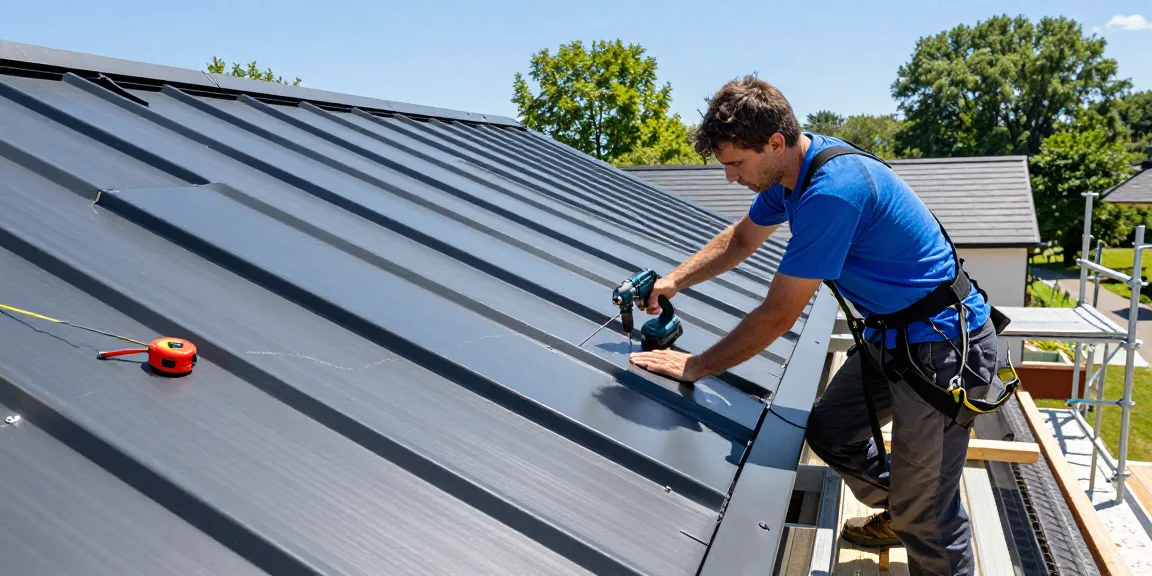
Understanding Standing Seam Roof Installation
Standing seam roofing has emerged as a leading choice for both homeowners and commercial property managers seeking long-lasting durability and aesthetic appeal. This type of roofing features vertical panels with raised seams that interlock, providing a sleek and modern look. When considering a new roof, understanding the nuances of standing seam roof installation becomes crucial, as it entails more than just placing panels on a roof. It involves careful planning, skilled craftsmanship, and an understanding of the materials involved.
What is a Standing Seam Roof?
A standing seam metal roof is characterized by vertical panels that rise above the roof’s surface, creating a strong visual line. These seams, typically around one to two inches high, are designed to enhance the roof’s water-shedding capabilities, making them particularly effective in regions prone to heavy rainfall or snow. The panels are usually made from galvanized steel, aluminum, or copper, and can be coated with protective finishes to resist corrosion and environmental wear.
Key Benefits of Standing Seam Roofs
Standing seam roofs offer numerous advantages that contribute to their popularity:
- Durability: These roofs are built to withstand extreme weather conditions, including heavy snow, high winds, and intense heat, making them a wise investment in areas with variable climates.
- Aesthetics: The clean, modern look of standing seam roofs enhances the visual appeal of any building, making them a favored choice for contemporary architectural designs.
- Low Maintenance: With fewer exposed fasteners than traditional roofs, standing seam panels minimize the risk of leaks and require less maintenance over time.
- Energy Efficiency: The reflective properties of metal roofs can lower cooling costs in hot climates, and when properly insulated, they also help retain heat during winter.
Common Misconceptions About Installation
Many homeowners may have misconceptions about the installation of standing seam roofs. One common myth is that installation can be easily done as a DIY project. While it is possible for experienced DIYers, the complexity and specific tools required make it advisable to hire professionals. Additionally, some believe that standing seam roofs are significantly more expensive than traditional roofing options; however, considering their longevity and low maintenance costs, they can be cost-effective in the long run.
Preparing for Your Standing Seam Roof Installation
Before the installation process begins, thorough preparation is essential to ensure a successful outcome. This preparation involves assessing the roof structure, selecting the right materials, and finding skilled professionals who can execute your vision.
Choosing the Right Materials and Tools
Selecting high-quality materials is vital for the longevity of your standing seam roof. Galvanized steel or aluminum are popular choices, with thicknesses typically of 24 or 26 gauge. The selection should be based on your climate, aesthetic preferences, and budget. In addition to the panels, you will need appropriate underlayment, flashing, and sealants to complete the installation effectively.
Assessing Your Roof Structure and Needs
It’s crucial to assess your existing roof structure before installation. A thorough inspection will identify any underlying issues such as weak spots or necessary repairs that should be addressed prior to installation. This assessment should also consider the load-bearing capacity of your home, particularly if you are adding significant weight with a metal roof.
Finding the Right Professionals for the Job
Choosing an experienced roofing contractor familiar with standing seam installation is vital. Look for professionals with verifiable references and a solid portfolio of completed projects. A reliable contractor will not only provide quality workmanship but can also guide you on the best practices for maintenance and care of your new roof.
The Installation Process Explained
The installation of a standing seam roof involves several distinct steps, each critical to achieving a durable and weather-tight seal. Here is a breakdown of the process:
Step-by-Step Guide to Installation
- Preparation of the Roof Deck: Ensure the roof deck is clean and dry, repairing any damaged areas.
- Install Underlayment: A moisture barrier is laid down to protect against water infiltration.
- Laying Out the Panels: Proper alignment and staggering of seams will enhance both aesthetics and performance.
- Securing Panels with Hidden Fasteners: The panels are fastened at the seams using a concealed fastening system to minimize the risk of leaks.
- Flashing and Trim Installation: Flashing is installed at transitions and edges to prevent water penetration.
Safety Precautions and Best Practices
Safety is paramount during installation. Workers should use proper safety gear, including harnesses and helmets, especially when working at heights. Additionally, secure scaffolding or ladders when accessing high areas of the roof. Best practices also include checking weather conditions and ensuring the roofing materials are not installed under wet conditions, which could compromise adhesion.
Common Challenges You Might Encounter
Installation challenges may include managing the weight of the materials, ensuring that seams are aligned correctly, and dealing with unexpected weather conditions. To mitigate these challenges, proper planning and coordination with your contractor can ensure a smoother installation process.
Post-Installation Care and Maintenance
After the installation is complete, regular maintenance is crucial to maximize the lifespan of your standing seam roof. Here are some important tips:
Essential Maintenance Tips for Longevity
- Regular Inspections: Schedule inspections at least twice a year to check for any damage or wear, especially after severe weather events.
- Clean Gutters and Downspouts: Ensure that gutters are free from debris to allow proper water drainage, which can prevent water damage to the roof.
- Address Issues Promptly: Any signs of rust, dents, or loose panels should be addressed immediately to prevent further damage.
Signs of Issues to Watch For
Homeowners should be vigilant for signs indicating potential issues, such as water leaks inside the home, rust spots on the panels, or loose seams. Detecting these issues early can prevent more extensive and costly repairs down the line.
Seasonal Considerations for Metal Roofing
Each season brings its own set of challenges for metal roofing. In winter, be aware of snow accumulation which can add significant weight, while summer may bring intense heat that can cause expansion and contraction. Understanding how these seasonal changes affect your roof can help you take proactive measures to maintain its integrity.
The Future of Standing Seam Roofing
As technology evolves, so too does the field of metal roofing. Standing seam roofs are expected to benefit from advancements aimed at improving energy efficiency and sustainability.
Emerging Trends in Metal Roofing for 2026
In the coming years, we can expect to see trends such as enhanced aesthetic customization options and pre-painted finishes that improve longevity and reduce fading. Additionally, innovations in solar-integrated roofing systems may offer further energy efficiency benefits.
Energy Efficiency and Sustainability Considerations
Standing seam roofs are inherently energy-efficient due to their reflective properties, which help regulate temperature. As sustainability becomes a priority for many homeowners, options for recyclable materials and environmentally-friendly coatings will likely gain popularity, further enhancing the appeal of metal roofing.
Innovations in Material Technology
Developments in materials science will continue to influence standing seam roofing. Future advancements may include lighter yet stronger materials that improve durability while simplifying installation processes.